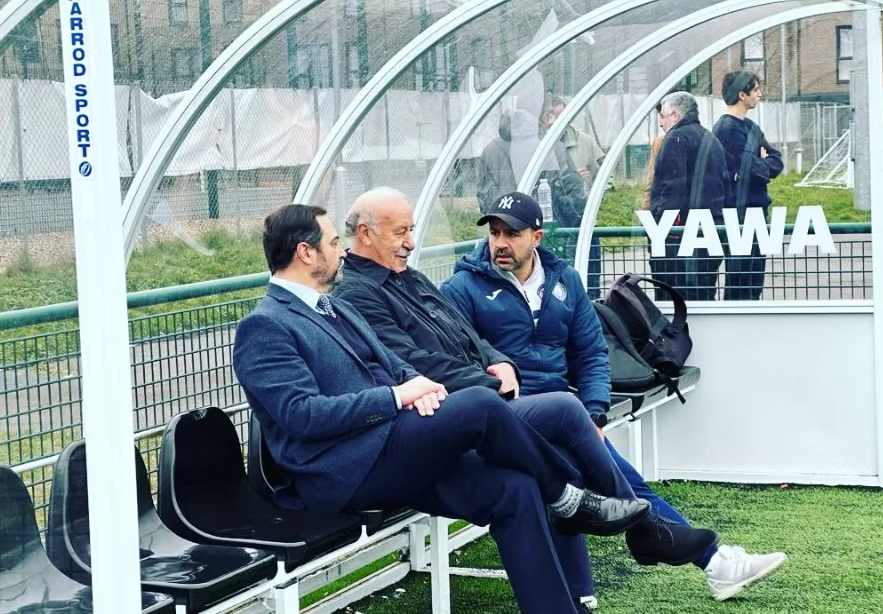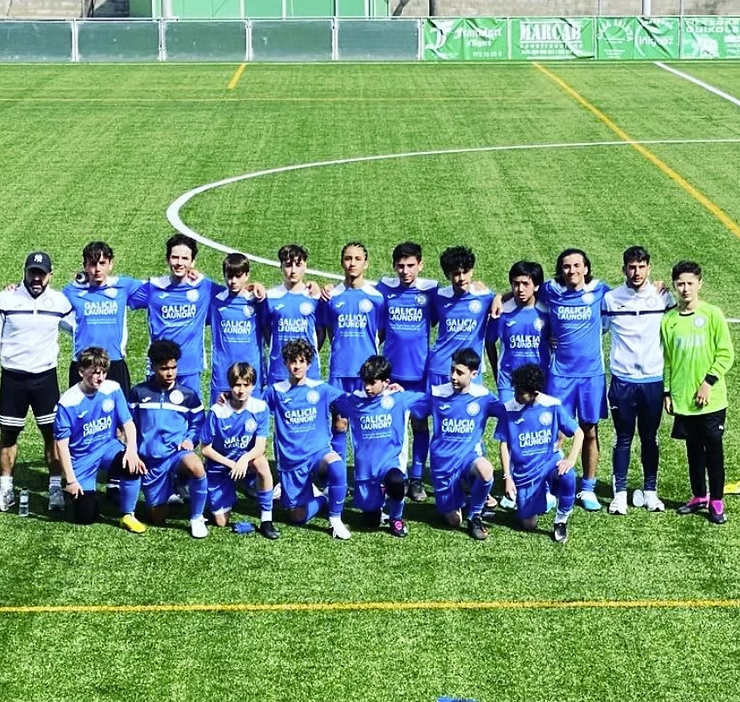
At Cañada Blanch Football School, competition is more than a game, it is a vital part of our technical-tactical development and player growth. Over the years, our young athletes have had the opportunity to test their skills and understanding of football in both English and international contexts, adapting to different playing styles, physical demands, and tactical approaches.
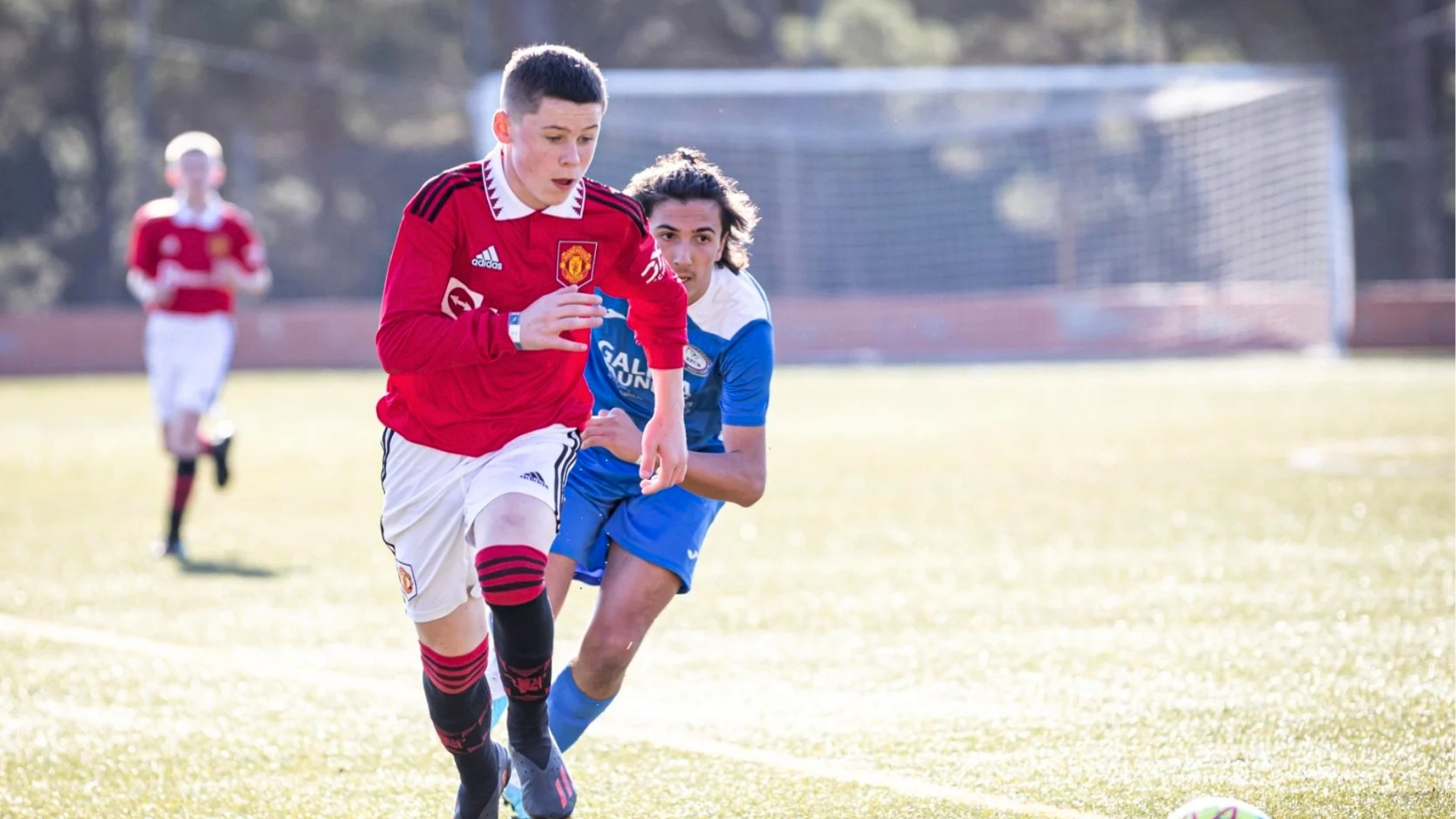
Regional and International Challenges
Our players participate regularly in the regional leagues of the English football system, building the physical and competitive foundation required for elite-level football. Beyond England, we bring our methodology to international tournaments, exposing players to diverse European competition models. Highlights include:
- MIC Costa Brava (Spain): a prestigious tournament bringing together top youth teams from across Europe.
- Dana Cup (Denmark): one of the largest international youth football tournaments, where players experience high-intensity matches and tactical variety.
- Cup No.1 (Aalborg, Denmark): focused on technical skill and team intelligence under competitive pressure.
- Burriana International Tournament (Spain): a key event combining Spanish football culture with international challenge.
Developing Players Through Competition
Every match and tournament is an opportunity for our players to:
- Apply Spanish technical-tactical principles in competitive settings.
- Adapt to different styles of play, game speeds, and physical demands.
- Build confidence, resilience, and collective intelligence.
- Measure their progress against peers from diverse football cultures.
At Cañada Blanch, these experiences are more than just tournaments — they are stepping stones for young players aiming to compete at higher levels, both in the UK and across Europe.
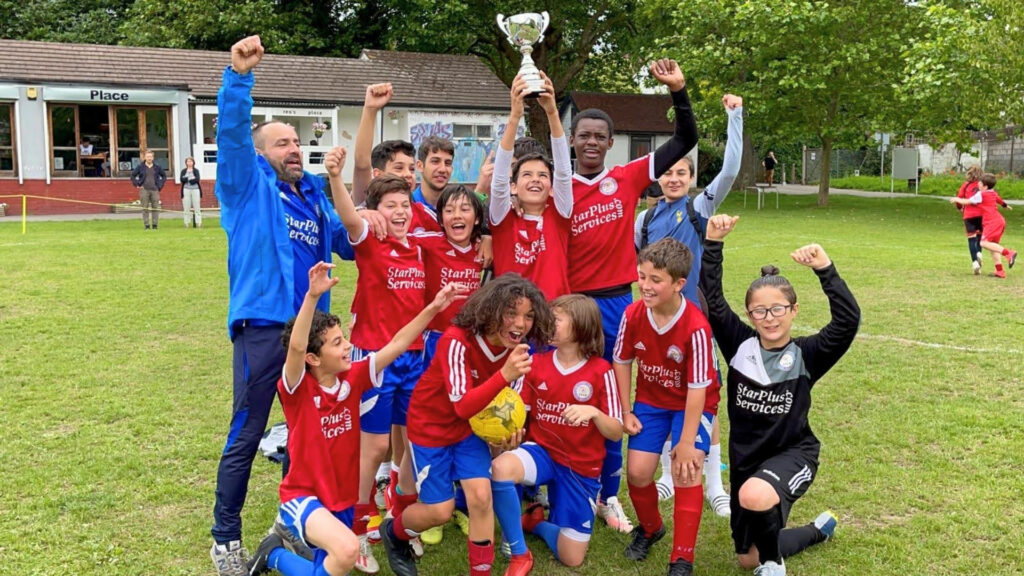
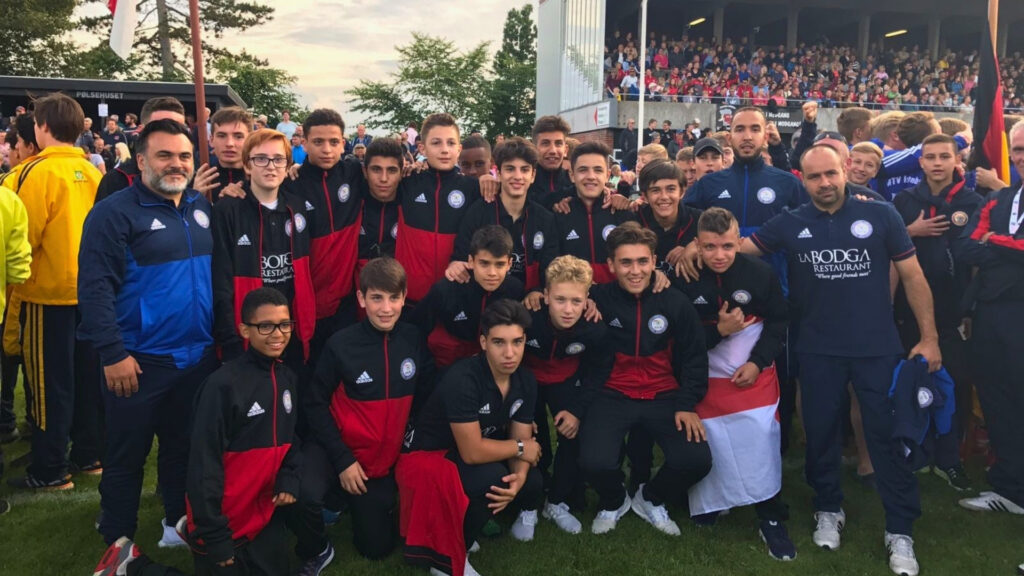
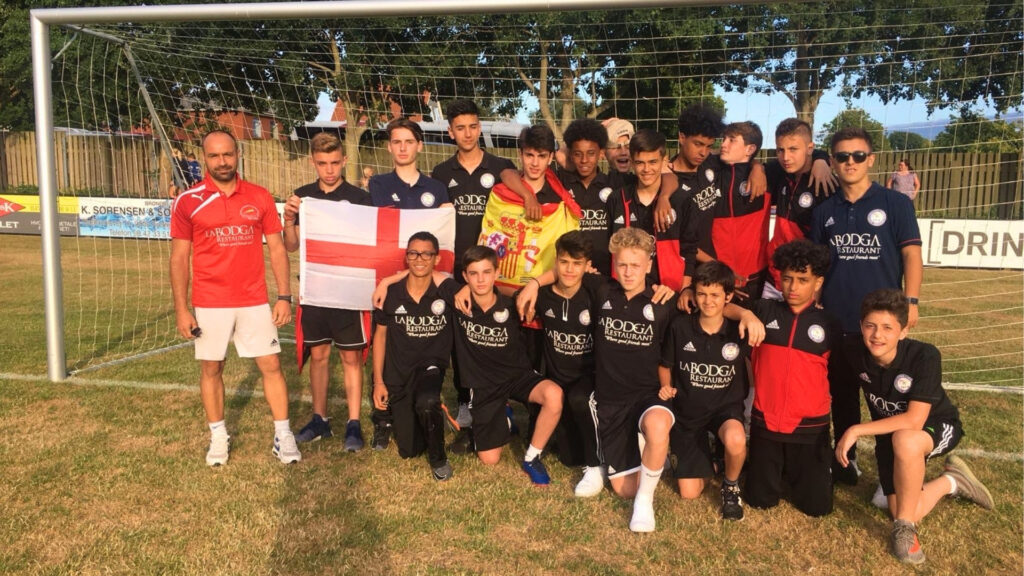
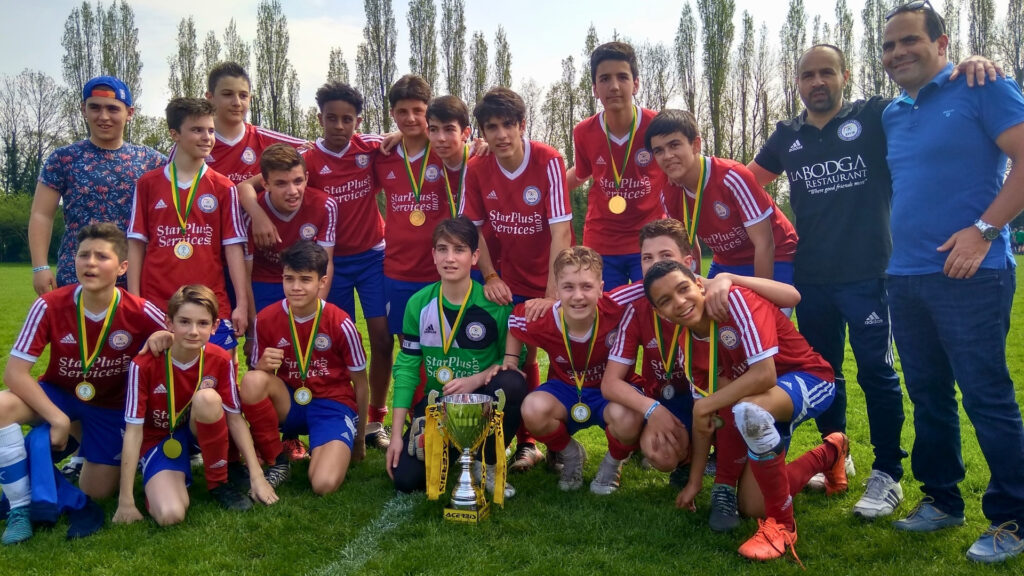
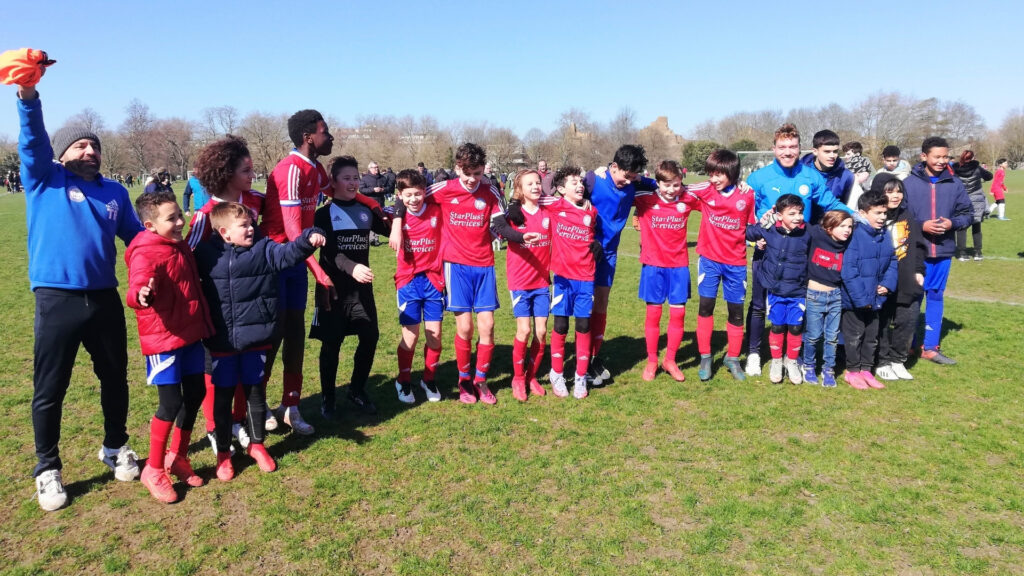
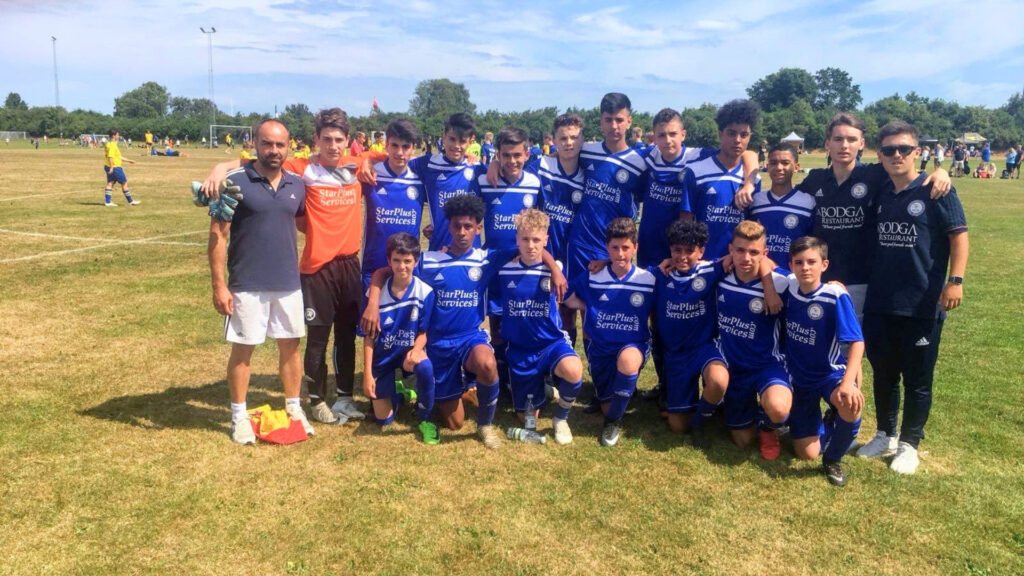
MIC Costa Brava (Spain)
The MIC is one of the most prestigious youth football tournaments in Europe, bringing together elite academies and clubs from around the world.
For our players, this competition represents a unique opportunity to experience high-level international football, facing teams with different tactical identities and playing styles.
It challenges players to apply their technical–tactical understanding under pressure, adapting to fast game rhythms and elite-level opposition.
Dana Cup (Denmark)
The Dana Cup is one of the largest international youth football tournaments globally, known for its intensity, scale and competitive level.
Participating in this tournament allows our players to experience a completely different football environment, where physical demand, pace and decision-making are tested at every moment.
It is a key context for developing resilience, adaptability and competitive intelligence in international football scenarios.
Cup No.1 (Aalborg, Denmark)
Cup No.1 in Aalborg provides a more structured competitive environment, focusing on both technical quality and collective understanding of the game.
Our players face European opposition that demands tactical discipline and game intelligence, reinforcing the principles of our Spanish Technical–Tactical methodology.
It is an important step in learning how to perform consistently in different football systems.
Burriana International Tournament (Spain)
The Burriana International Tournament combines Spanish football culture with international competition, offering a familiar yet highly competitive environment.
For our players, it is an opportunity to connect with the roots of Spanish football methodology, while testing themselves against diverse European teams.
It reinforces positional understanding, technical execution and team organisation under match pressure.
Final thoughts
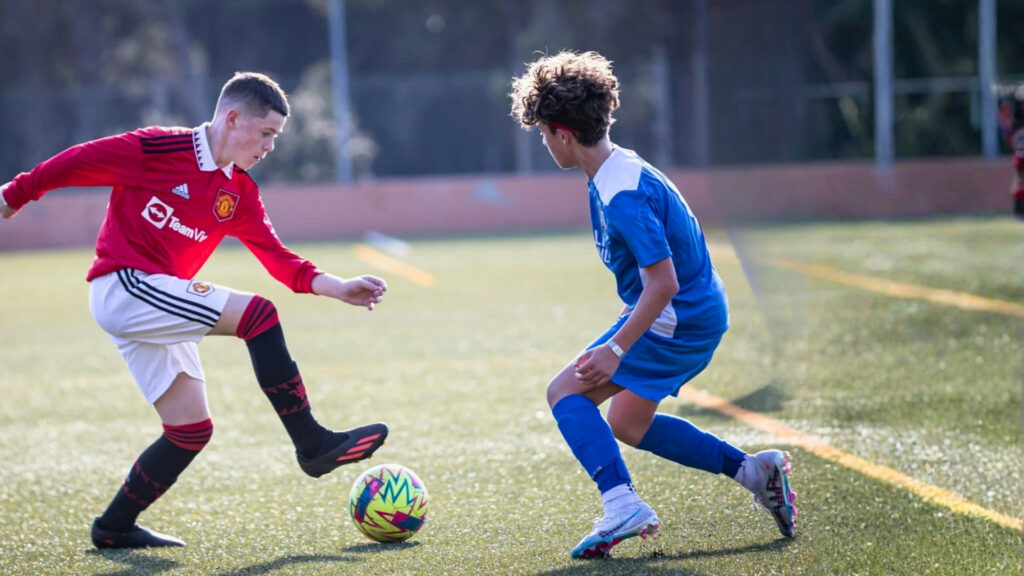
International tournaments are not just competitions for our players, they are learning environments.
Every experience abroad reinforces our Technical–Tactical methodology, challenges players to adapt to different styles of football, and helps them grow in confidence, intelligence and resilience.
At Cañada Blanch Football School, we believe that real development happens when players are exposed to different football cultures, competitive demands and game contexts.
These experiences are part of our long-term commitment: to prepare young players for the realities of modern football in the UK and Europe.